


Chemical vs Mineral Sunscreen: What Really Sets Them Apart
Trying to pick between “chemical” and “mineral” sunscreen? You’re definitely not alone, these words are everywhere, but they rarely get explained clearly. Let’s break it down: chemical (sometimes called organic) sunscreens use UV filters like avobenzone or octisalate that absorb UV rays, while mineral (inorganic) sunscreens, usually zinc oxide or titanium dioxide, sit on the surface and are meant to block or scatter UV. Here’s the surprise: both types are actually chemicals, and both protect you well. What truly sets them apart is how they feel and look on your skin day to day (BBC).
How Do They Work?
There’s a big myth in sunscreen talk: that mineral (zinc or titanium-based) formulas act like tiny shields, reflecting all UV, and chemicals just soak UV up. The truth? Both types mostly work by absorbing UV and safely dissipating it as heat. In fact, peer-reviewed research confirms mineral filters reflect or scatter only about 5% of UV; the rest is absorbed just like the so-called “chemical” kind (Wiley, 2015). So, choosing one over the other is less about protection strength, and more about how the product fits your daily life.
Why Chemical Filters Feel Better
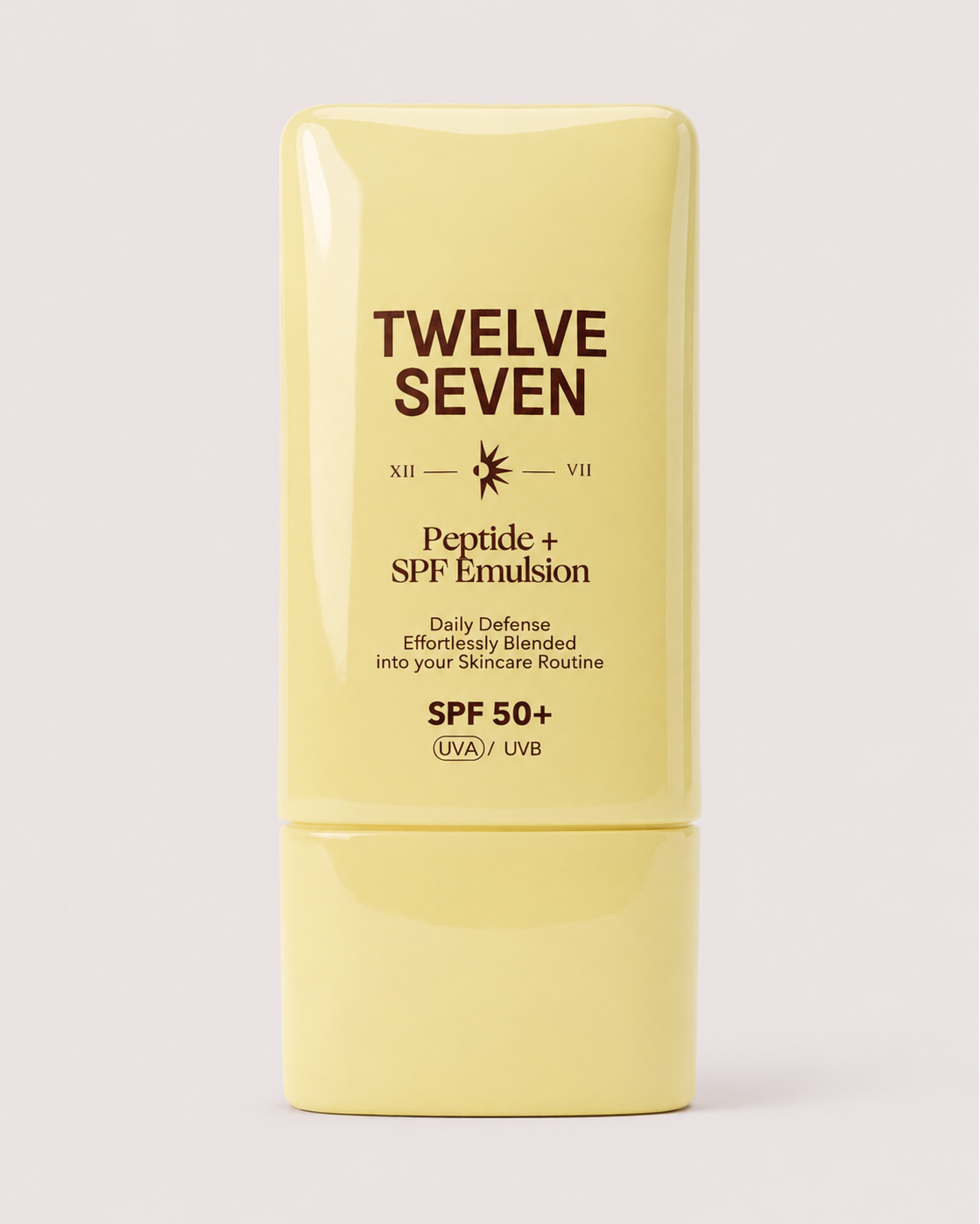
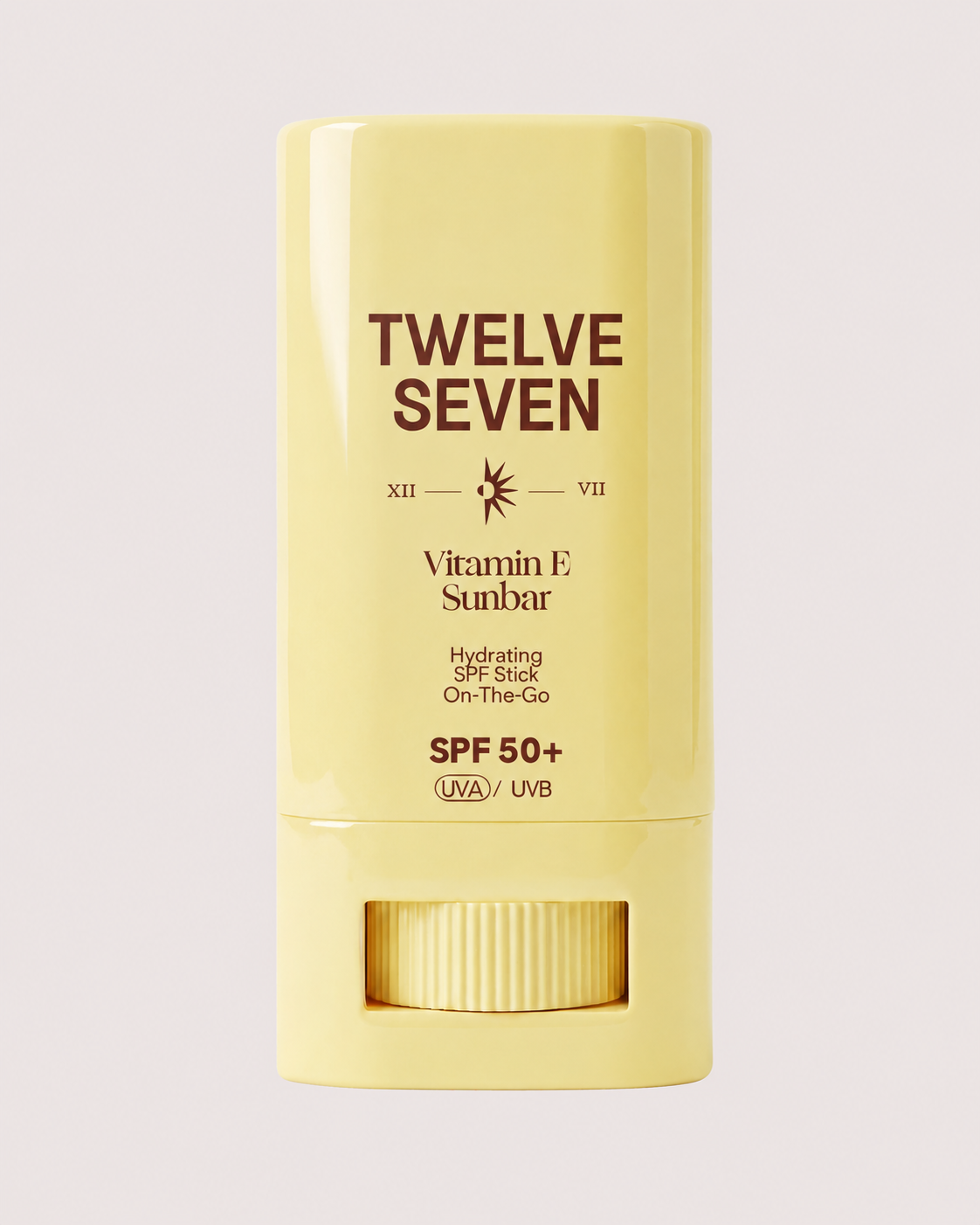
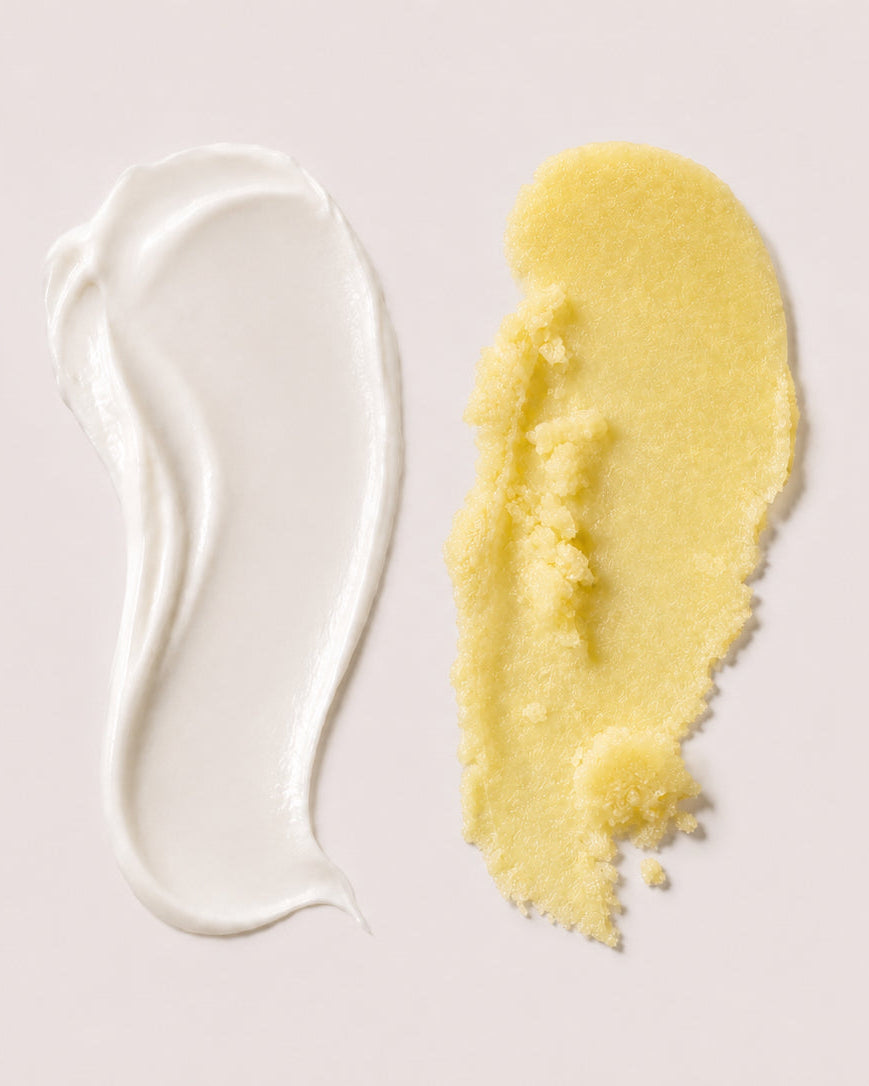
Here’s where daily wearability comes in. Traditional mineral sunscreens can leave a noticeable white cast (especially if you have deeper skin tones), feel thick, and sometimes take a while to rub in. That’s because mineral filters are powders that don’t fully dissolve. By contrast, chemical (organic) filters are fully soluble, creating lighter, more transparent lotions or gels. They’re easy to layer under makeup or other skincare, don’t leave chalky streaks, and absorb smoothly, making everyday SPF less of a chore and more a seamless part of your routine.
Safety & Reef Concerns
Are chemical sunscreens safe for your body and for the planet? Understandably, many people are cautious. Research shows trace amounts of some chemical filters can enter your bloodstream, but extensive studies and health authorities see no evidence of harm at the tiny amounts found in human use (BBC). Coral reef impact is another hot topic: while some lab test results sparked bans, real-world environmental effects remain unclear, and mineral filters aren’t completely blameless either. Bottom line? Choose formulas tested for both skin safety and environmental responsibility.
Choose What You’ll Actually Wear, Every Day
In the end, your best sunscreen is the one you’re genuinely willing to apply (and reapply) every single day. If a formula leaves your face white, heavy, or sticky, you’ll probably skip it, leaving your skin unprotected. Modern chemical filters offer that smooth, lightweight, invisible finish that makes daily wear actually enjoyable. That’s why we believe in them, and why most dermatologists recommend using whatever you’ll gladly stick with.